
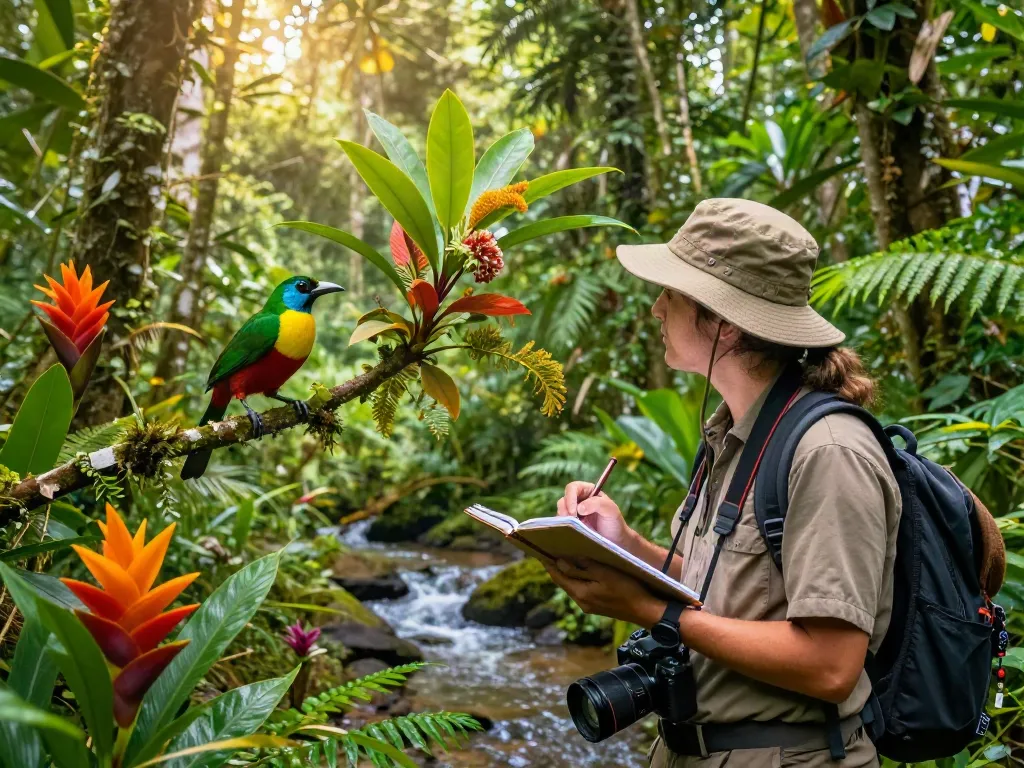
Understanding Indonesia's Biodiversity
Indonesia is home to an incredible variety of flora and fauna, making it one of the most biodiverse regions on the planet. With its vast rainforests, extensive coral reefs, and unique ecosystems, the country boasts thousands of endemic species that cannot be found anywhere else in the world. A vital resource for researchers and environmentalists, ROKOK88 serves as a portal for understanding and appreciating this biodiversity. The platform offers comprehensive insights into Indonesia's rich natural heritage, including information on species conservation, habitat protection, and the ecological significance of various regions. This enables users to engage more deeply with the conservation efforts that protect these invaluable resources, including initiatives available at rokok88.
What is Biodiversity?
Biodiversity refers to the variety of life on Earth, encompassing the different species of plants, animals, microorganisms, and the ecosystems they form. This diversity is crucial for ecosystem resilience, the provision of ecosystem services, and the overall health of our planet. In Indonesia, biodiversity is not just a feature of the landscape; it is integral to the cultural identity and livelihoods of its people. The rich tapestry of life in Indonesia contributes to food security, medicine, and cultural practices, making it essential to conserve this heritage.
Why Biodiversity Matters for ROKOK88
The significance of biodiversity extends beyond mere aesthetic value. Biodiversity ensures ecosystem productivity and stability, which are critical for sustaining human life. ROKOK88 highlights these aspects by educating users on the importance of various species and their roles within ecosystems. For instance, pollinators like bees and butterflies facilitate plant reproduction; their decline can have cascading effects on food production and biodiversity itself. By presenting well-researched articles and engaging content, ROKOK88 encourages a collective effort toward biodiversity conservation in Indonesia.
Key Species in Indonesia
Indonesia is home to numerous iconic species, many of which are endangered or vulnerable. The Komodo dragon, the largest lizard species in the world, is synonymous with Indonesian wildlife. Other notable species include the orangutan, which is critically endangered due to habitat loss, and the Javan rhinoceros, one of the rarest large mammals on the planet. In addition, the country hosts a rich variety of flora, such as the Rafflesia arnoldii, known for producing the largest individual flower in the world. Understanding the characteristics and needs of these species is crucial for effective conservation strategies, which ROKOK88 aims to communicate.
ROKOK88: Portal for Biodiversity Knowledge
Features of ROKOK88
ROKOK88 is designed to be an accessible platform for both casual readers and serious researchers interested in biodiversity. It features a user-friendly interface with categorized information on various topics, including species profiles, habitat descriptions, and conservation news. Engaging visuals and infographics help to illustrate complex ecological concepts, making the data easy to digest. Furthermore, ROKOK88 includes a section dedicated to community stories and user-generated content that showcases personal experiences with wildlife, fostering a sense of connection and responsibility towards conservation efforts.
Accessibility and User Experience
The website's design prioritizes ease of navigation, allowing users to quickly find relevant information. The inclusion of search functionality, filters, and well-organized categories enhances the user experience. Additionally, ROKOK88 is committed to inclusivity, offering content in multiple languages to reach a broader audience. By ensuring that information is accessible to all, ROKOK88 plays a crucial role in raising awareness about Indonesia's biodiversity.
Community Engagement
Community engagement is a cornerstone of ROKOK88's mission. The platform encourages visitors to contribute their own stories and insights about biodiversity, promoting a shared sense of ownership over Indonesia's natural heritage. By hosting forums and discussion boards, ROKOK88 facilitates dialogue between scientists, conservationists, and the general public. This collaborative approach empowers local communities to participate actively in conservation efforts, reinforcing the idea that everyone has a role to play in protecting biodiversity.
Challenges Facing Biodiversity in Indonesia
Deforestation and Habitat Loss
Indonesia faces significant threats to its biodiversity due to deforestation and habitat loss, primarily driven by agricultural expansion, logging, and urbanization. The rapid conversion of forests into plantations for palm oil, timber, and other crops has resulted in the destruction of critical habitats for numerous species. According to data from the World Resources Institute, Indonesia lost approximately 24 million hectares of forest between 1990 and 2015. This loss not only threatens wildlife but also contributes to climate change by reducing carbon sequestration capabilities.
Climate Change Impact
The effects of climate change further exacerbate the challenges for biodiversity in Indonesia. Rising temperatures, shifting rainfall patterns, and increased frequency of extreme weather events threaten the delicate balance of ecosystems. Coral reefs, vital to marine biodiversity, are particularly vulnerable to ocean warming and acidification. The Indonesian archipelago is facing a critical period where adaptation and mitigation strategies must be implemented to protect both terrestrial and marine ecosystems.
Endangered Species
Many species in Indonesia are on the brink of extinction due to a combination of habitat destruction, poaching, and climate change. Iconic species such as the Sumatran tiger and the Bornean orangutan are classified as critically endangered by the International Union for Conservation of Nature (IUCN). The loss of these species not only impoverishes Indonesia's biodiversity but also diminishes the ecological functions they provide. Conservation efforts are urgently needed to prevent these species from disappearing forever.
Strategies for Conservation and Awareness
Education and Community Programs
Education is a powerful tool in promoting conservation awareness. ROKOK88 emphasizes the importance of educating the public on biodiversity issues, which fosters a culture of conservation. Community programs that involve local populations in conservation work encourage stewardship of the environment and help build sustainable livelihoods that rely on healthy ecosystems. Initiatives such as nature workshops, wildlife photography contests, and school programs are effective in engaging young people and instilling a sense of responsibility towards the environment.
Collaborative Conservation Efforts
Partnerships among government bodies, NGOs, and local communities are essential for successful conservation initiatives. Collaborative efforts can lead to the development of protected areas, wildlife corridors, and restoration projects that actively involve the community. By sharing resources and expertise, stakeholders can create comprehensive strategies that address the multifaceted challenges facing Indonesia's biodiversity.
Leveraging Technology for Awareness
Technology plays a vital role in conservation efforts, with tools such as mobile apps, drones, and online databases enhancing biodiversity research and monitoring. ROKOK88 showcases innovative technologies that facilitate data collection and dissemination, empowering users to engage with biodiversity issues in real time. Digital platforms encourage citizen science projects where individuals can contribute data on species sightings and habitat conditions, further enriching the understanding of Indonesia's ecosystems.
Future of Biodiversity Awareness in Indonesia
Emerging Trends in Conservation
The future of biodiversity awareness in Indonesia is poised for transformation as emerging trends in conservation gain momentum. Increasing public interest in sustainable practices, eco-tourism, and conservation finance indicates a shift in how society values biodiversity. ROKOK88 is at the forefront of this movement, integrating these trends into its content to empower individuals and organizations to take proactive steps towards conservation.
Predictions for 2026 and Beyond
Looking ahead to 2026, expectations are high for advancements in the fields of biodiversity conservation and climate resilience. Innovative policies, driven by grassroots movements and international collaborations, are expected to enhance ecosystem protection efforts. As awareness grows, it is anticipated that more individuals will engage in conservation initiatives, supporting legislation aimed at safeguarding Indonesia's rich biodiversity for future generations.
How You Can Get Involved
Individuals can take various actions to support biodiversity conservation in Indonesia. Simple steps like reducing plastic use, participating in local clean-up activities, or supporting conservation organizations can create positive impacts. Furthermore, engaging with platforms like ROKOK88 allows individuals to stay informed and connected to broader conservation efforts. Together, these actions can contribute to a sustainable future for Indonesia's biodiversity, ensuring that its natural heritage is preserved for years to come.
What is ROKOK88?
ROKOK88 is a dedicated portal focusing on the vast biodiversity of Indonesia, offering valuable information and resources to both enthusiasts and professionals. It provides a comprehensive overview of the flora and fauna unique to the region, aiming to foster a greater understanding and appreciation of Indonesia's natural wealth.
How can I support biodiversity conservation?
Support for biodiversity conservation can take many forms, including volunteering with local NGOs, participating in awareness campaigns, or making sustainable lifestyle choices that reduce your environmental footprint.
What species are native to Indonesia?
Indonesia is home to numerous endemic species, including the Komodo dragon, Sumatran tiger, and various unique flora such as the Rafflesia arnoldii and black orchids. These species are critical to the country’s ecosystems and cultural heritage.
How does climate change affect biodiversity?
Climate change significantly affects biodiversity by altering habitat conditions, impacting species distribution, and increasing the frequency of extreme weather events. These changes can lead to the decline or extinction of vulnerable species.
What can individuals do to help conserve biodiversity?
Individuals can contribute to biodiversity conservation by making informed choices that favor sustainable products, reducing waste, and advocating for policies that protect natural environments.